
If you’re shipping heavy equipment, industrial components, or bulk materials, one of the most important questions you can ask is:
How much weight can a wood pallet hold?
The answer depends on several key factors — including pallet design, wood type, load distribution, and whether you’re using a standard or custom-built solution. Understanding pallet load capacity helps prevent product damage, safety hazards, and costly shipping failures.
Here’s what manufacturers, warehouses, and logistics managers need to know.
The Three Types of Pallet Load Ratings
Wood pallet capacity isn’t a single number. There are three different ratings to consider:
1. Static Load Capacity
This is the maximum weight a pallet can hold when it is sitting still on a flat surface.
Standard wood pallets can often hold 4,000–6,000 pounds statically — depending on construction.
2. Dynamic Load Capacity
This refers to the weight a pallet can handle when it is being moved by a forklift or pallet jack.
Dynamic capacity is typically lower than static capacity, often around 2,000–3,000 pounds for standard pallets.
3. Racking Load Capacity
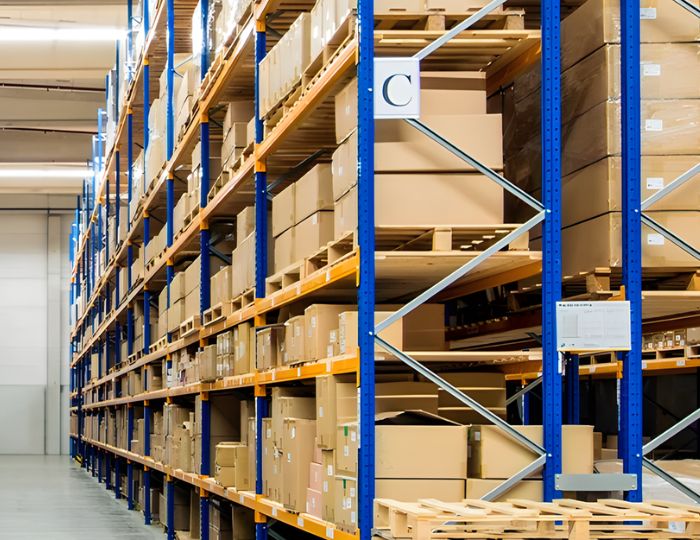
This is the weight a pallet can support when placed in a rack system, supported only at the ends.
Racking capacity is usually the most restrictive rating and must be carefully engineered for safety.
If you’re unsure which pallet type suits your operation, exploring custom solutions through a dedicated pallet supplier ensures proper load engineering.
What Determines a Wood Pallet’s Weight Capacity?
Several factors influence how much weight a pallet can safely hold.
Wood Type
Hardwood pallets typically offer greater strength and durability compared to softwood options.
You can learn more about material differences in this guide: What Type of Wood Are Pallets Made Of?
Deck Board Thickness
Thicker deck boards increase load support and reduce flexing.
Stringer or Block Design
-
Stringer pallets are common and cost-effective.
-
Block pallets provide additional support and higher load distribution.
Nail Pattern & Fastening Method
Proper nailing patterns and fastener spacing significantly affect structural integrity.
Load Distribution
Evenly distributed weight increases safe capacity. Concentrated point loads reduce it.
For engineered solutions, working with a custom pallet manufacturer such as the Columbus custom pallet supplier ensures load specs are calculated properly.
When Standard Pallets Aren’t Enough
Standard 48×40 pallets work for many applications — but not all.
You may need a custom solution if:
-
Your product has concentrated weight
-
Machinery creates vibration during transit
-
You’re shipping oversized equipment
-
You need export compliance
-
You’re stacking multiple loads
Custom-engineered options like custom wood packaging or reinforced skids provide additional structural support.
Pallets vs. Skids: Does It Affect Load Capacity?
Yes.
While pallets have both top and bottom deck boards, skids typically have a simpler base structure. In some industrial applications, heavy-duty wood skids are preferred for machinery because they provide direct ground support and increased stability.
If you’re deciding between the two, this guide can help: Choose Custom Pallets, Skids, or Crates
Exporting Heavy Loads? Heat Treatment Matters
If your pallets are used for international shipping, they must meet ISPM-15 regulations.
Heat treatment doesn’t directly increase load capacity, but it ensures compliance and durability in global transport environments.
Learn more here: How Heat Treatment Gets Pallets Ready for Exports
For certified options, review heat-treated pallet services.
How to Determine the Right Pallet for Your Load
Before selecting a pallet, ask:
-
What is the total product weight?
-
Is the load evenly distributed?
-
Will it be rack-stored?
-
Will it be double-stacked?
-
Is it traveling long distances?
-
Does it require export compliance?
For specialized loads, solutions such as hardwood dunnage or custom-cut lumber may be integrated into packaging design.
If you operate in the Midwest or surrounding regions, partnering with a local supplier through the service area page can streamline logistics and ensure responsive support.
Why Engineering Matters for Heavy Loads
Overloading a pallet can lead to:
-
Structural collapse
-
Product damage
-
Worker injury
-
Supply chain delays
-
Insurance claims
Custom pallet design considers:
-
Load type
-
Handling method
-
Storage environment
-
Industry regulations
Working with an experienced provider such as Trumbull Forest Products ensures pallets are built for your specific industrial requirements — not just general estimates.
TL;DR – Key Takeaways
-
A standard wood pallet can hold 2,000–3,000 lbs dynamically and 4,000–6,000 lbs statically, depending on construction.
-
Racking capacity is typically lower and must be engineered carefully.
-
Wood type, board thickness, and design significantly impact load strength.
-
Custom pallets, skids, and crates are often required for heavy or concentrated loads.
-
Engineering your pallet design reduces risk and improves shipping reliability.