
Ever watched a perfectly packed export load get stopped because of the pallet, not the product? It happens more than people expect. A single missing mark or the wrong wood component can turn into a port delay, rework costs, and a lot of phone calls.
That’s why pallet heat treatment matters. It’s the most common way wood pallets get approved for international shipping under ISPM 15, the global rule designed to keep pests from traveling across borders inside wood packaging.
Why pallets get treated before export (it’s about pests, not strength)
Wood is a natural material, which is great for cost and strength. It’s also a place insects and plant diseases can hide. When untreated wood packaging crosses borders, it can bring unwanted hitchhikers into forests and farms.
ISPM 15 was created to reduce that risk by requiring treatment and marking for many types of wood packaging used in international trade. If you want a plain-English overview of the standard and what it covers, this summary of ISPM 15 export rules for pallets and wood crates is a helpful starting point.
For U.S. shippers, the official guidance on exporting compliant wood packaging is also outlined by USDA APHIS here: Export ISPM 15-compliant wood packaging material from the United States.
ISPM 15 basics: what “pallet heat treatment” actually means
Heat treatment is not “drying the pallet” and it’s not a surface-only process. In ISPM 15 terms, the goal is to heat the wood to a required internal temperature for a set time, so pests in the wood can’t survive.
The temperature and time customs cares about
The standard heat-treatment requirement is widely referenced as heating the wood’s core to 56°C (132.8°F) for at least 30 minutes. The key word is core, not the outside of the board. That’s why treatment facilities use monitored chambers and probes, not a quick pass with hot air.
If you want more background on why heat treatment is an approved method under ISPM 15, this overview is useful: ISPM 15 heat treatment method.
What usually needs treatment (and what often doesn’t)
Not every wood-based shipping item is treated the same way. The material and how it’s made matters.
| Packaging material | ISPM 15 treatment typically required? | Notes |
|---|---|---|
| Solid wood pallets, skids, crates | Yes | Common target of ISPM 15 rules |
| Solid wood dunnage/blocking | Yes | Often overlooked in export planning |
| Plywood/OSB/particleboard | Often no | Manufactured wood products are generally considered processed |
| Plastic pallets | No | Not a wood packaging material |
When in doubt, confirm requirements for the destination country and your exact packaging mix, including braces, cleats, and added blocking.
What happens inside a heat-treat chamber (in plain terms)
A good way to picture the process is like baking a thick potato. The oven can be hot, but the center takes time to reach the right temperature. Heat treating pallets works the same way.
A typical pallet heat-treatment workflow looks like this:
Load and space: Pallets (or pallet parts) are stacked so air can move around them. Tight stacks can slow heating and create cold spots.
Probe and monitor: Sensors track temperature, often focusing on the thickest pieces because they heat the slowest.
Hold at spec: Once the core meets the requirement, the hold time begins. The facility records the run for traceability.
Cool and stage: Treated product is kept separated from untreated wood to avoid mix-ups.
Some facilities treat pallet components first, then assemble. Others treat completed pallets. Both approaches can work, as long as the wood that ends up in the final pallet was treated and controlled.
The HT stamp: the small mark that does big work
For exports, customs and receiving teams rely on markings because they can’t inspect every board’s history. The ISPM 15 mark (often called the “HT stamp”) is the visual proof that the pallet was treated under an approved program.
The stamp usually includes:
- The IPPC symbol
- A country code (like US)
- A producer or facility code
- The treatment code, commonly HT for heat treatment
No stamp often means no movement. Even if the pallet actually was treated, missing or illegible marks can trigger rejection because there’s nothing easy to verify at the dock.
For a U.S.-focused view of wood packaging compliance and what inspectors look for, U.S. Customs and Border Protection provides guidance here: Import and export requirements for wood packaging material.
Heat-treated pallets in real warehouses: how mix-ups happen
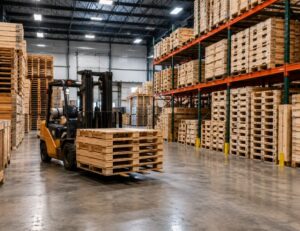
Many export problems don’t start at the sawmill or the heat chamber. They start on the warehouse floor.
Common real-world trouble spots include:
Pallet swaps during picking: A treated pallet goes out for lunch, then comes back as a different pallet. Everyone’s busy, nobody notices.
Repairs with untreated lumber: A quick deck board replacement seems harmless, but it can break compliance if the replacement wood isn’t treated and properly marked.
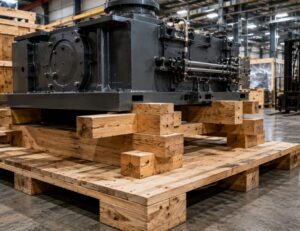
Loose dunnage and blocking: Teams focus on the pallet, then forget the added wood used to brace or separate the load.
A simple habit helps: keep heat-treated pallets and untreated pallets in clearly labeled zones, and don’t allow “mystery pallets” to circulate in export lanes.
Common ISPM 15 heat-treatment mistakes that trigger shipment holds
Export delays often come from a few repeat issues. These are the ones logistics managers and pallet buyers see over and over:
Illegible, missing, or incorrect marks: Smudged ink, partial stamps, or stamps applied to removable boards can all cause trouble.
Bark left on boards: ISPM 15 includes rules around debarking, and excessive bark can raise flags at inspection.
Mixed packaging: A treated pallet paired with untreated wood braces, runners, or dunnage can still fail.
Last-minute “custom” changes: Adding cleats, blocking, or a new top deck for product fit can accidentally introduce non-compliant wood.
Assuming domestic rules apply: Domestic shipments rarely require this level of marking and control, so teams sometimes treat export loads the same way. Ports don’t.
How to spec export-ready pallets when you’re buying
If you buy pallets for export programs, you don’t need to become an ISPM 15 auditor. You do need a clear purchase spec and a supplier who can support it.
Here’s what to ask for upfront:
Stamp location and visibility: Request marks on at least two opposite sides, placed where fork wear won’t erase them fast.
Repair policy: Decide whether you’ll allow repairs, and if so, require that repair lumber meets the same heat-treatment rules.
Documentation expectations: Some lanes or customers ask for treatment records or compliance statements, even when the mark is present.
Fit for your load and lane: Export pallets face longer trips, more transfers, and more humidity swings. A pallet that works fine domestically can arrive overseas loose or damaged if it’s underbuilt for the weight and handling.
If you ship a mix of products, it also helps to work with a packaging partner that can build around your operation, not force your operation to work around the pallet. Trumbull Forest Products is a region leader in manufacturing custom pallets, skids, crating solutions and hardwood grade lumber, which is often what export programs need when off-the-shelf sizes don’t match the load.
Conclusion: treat the pallet like part of the product
Export compliance doesn’t stop at your carton label. The pallet matters, and pallet heat treatment is one of the simplest ways to avoid holds, rework, and rejected loads.
Get the treatment right, keep treated wood separate, and control repairs and add-on wood. The payoff is boring shipping, which is exactly what you want when deadlines and containers are on the line.