
Choosing the right wood packaging solution isn’t just about price — it’s about protection, efficiency, compliance, and long-term reliability. Whether you’re shipping heavy industrial equipment, storing materials, or exporting products overseas, selecting the right custom pallets, skids, or crates can significantly impact your operations.
This guide breaks down how to evaluate your needs and choose the best solution with confidence.
Start With Your Product and Load Requirements
The first step is understanding what you’re moving and how it behaves in transit. Weight, dimensions, fragility, and handling method all matter.
Heavy or irregular loads often require reinforced designs using hardwood-grade materials, while lighter or uniform products may be well suited for standard builds using pallet lumber. If your application requires specific dimensions or strength ratings, working with a supplier that offers custom cut lumber ensures the packaging is built precisely for your load — not forced into a generic solution.
Pallets vs. Skids vs. Crates: Know the Differences
Each option serves a different purpose, and choosing the wrong one can create inefficiencies or damage risk.
When Custom Pallets Make Sense
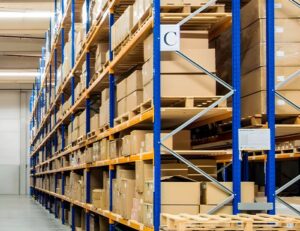
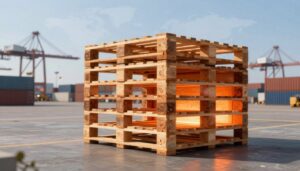
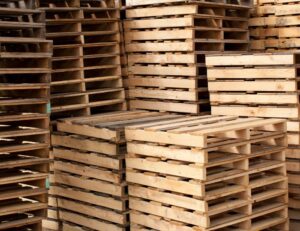
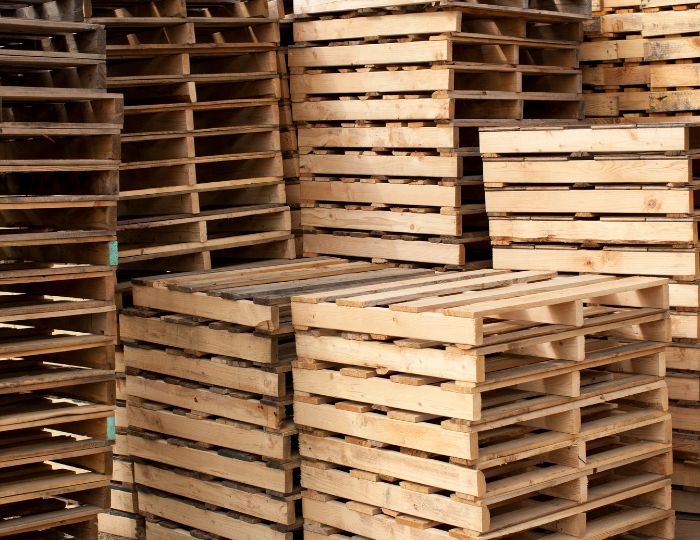
Custom pallets are ideal for products that move frequently through forklifts, racking systems, or distribution centers. Businesses relying on repeat shipments often benefit from engineered designs offered through custom wood pallets that balance strength and material efficiency.
When Wood Skids Are the Better Fit
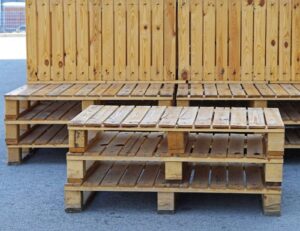
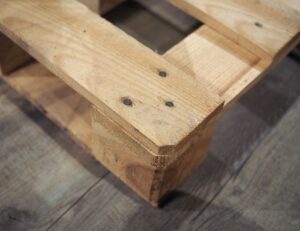
Skids are often used for static storage or machinery that doesn’t need four-way forklift access. Many industrial buyers prefer wood skids for their durability and cost efficiency in heavy-load environments.
When You Need Custom Crates
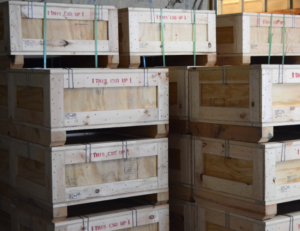
Crates provide the highest level of protection and are best for long-distance shipping, exports, or sensitive equipment. If your product requires enclosure, stacking protection, or long-term storage, custom wood crates are typically the safest option.
Consider Shipping Distance and Handling Conditions
Short-haul, local transport has very different demands than cross-country or international shipping. Products traveling longer distances face more handling points, vibration, and exposure.
For export shipments, compliance is critical. Many countries require pallets and crates to meet ISPM-15 standards, which is why heat-treated pallets are essential for international logistics. Failing to meet these requirements can result in delays, fines, or rejected shipments.
Match the Wood Type to the Application
Not all wood performs the same under pressure. Hardwood is commonly used for industrial packaging because of its strength and resistance to impact.
Applications such as machinery transport, flooring materials, or dense loads benefit from hardwood grade lumber and specialty options like flooring-grade lumber. Choosing the correct lumber grade ensures your pallets or skids won’t fail under stress.
Factor in Storage, Inventory, and Reuse
Packaging doesn’t stop being relevant once the shipment arrives. If you reuse pallets or store products on-site, durability and consistency matter.
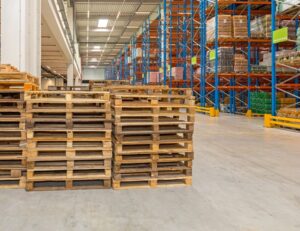
Many businesses reduce waste and streamline operations by pairing custom packaging with inventory management services. This approach helps maintain consistent pallet sizes, reduces downtime, and improves warehouse efficiency.
Don’t Overlook Local Availability and Service Area
Fast turnaround times and consistent supply are easier to achieve when your packaging partner understands your regional logistics needs. Working with a supplier that actively serves your markets — as outlined in their service area — helps ensure reliable delivery, responsive support, and scalable production.
Local expertise is especially valuable when dealing with custom builds, rush orders, or changes in demand.
Work With a Supplier That Can Scale With You
The right wood packaging partner isn’t just a manufacturer — they’re a long-term resource. Look for a company with in-house lumber sourcing, processing capabilities, and experience across multiple industries.
A supplier with deep roots in timber sourcing and production, like one offering full lumber services and vertically integrated operations, can adapt as your business grows and your shipping needs evolve.
TL;DR / Key Takeaways
-
Start by understanding your product’s weight, dimensions, and handling requirements
-
Choose pallets, skids, or crates based on how the load moves and how much protection it needs
-
Match the wood type and lumber grade to the application
-
Consider export compliance and heat treatment for international shipping
-
Think beyond shipping — reuse, storage, and inventory management matter
-
Partner with a supplier that offers custom solutions and reliable regional service
If you’re unsure which solution fits your operation, working with an experienced custom wood packaging provider can save time, reduce risk, and improve long-term efficiency.